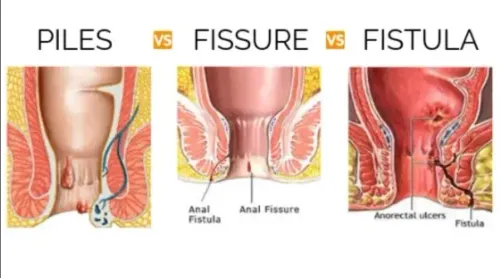
A painful or bleeding lump near the anus can represent haemorrhoids, an abscess, or another condition, and the wrong assumption can delay urgent care. You will learn how to recognise warning signs, understand the examination and tests used, compare treatment options, and choose a Bangalore facility equipped for the diagnosis you actually need.
Key takeaways
- Severe constant pain, swelling, fever or pus points to an abscess—not ordinary piles.
- A perianal abscess needs prompt clinical assessment because drainage is often urgent.
- Piles treatment depends on grade, prolapse, bleeding and external disease.
- Choose a Bangalore provider with examination, drainage and follow-up capabilities.
Start with the symptom pattern: piles or an abscess?
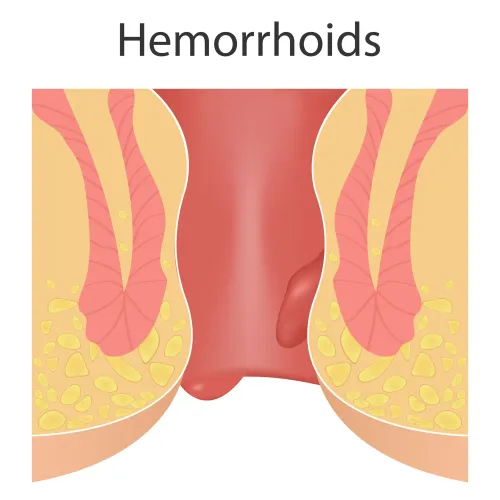
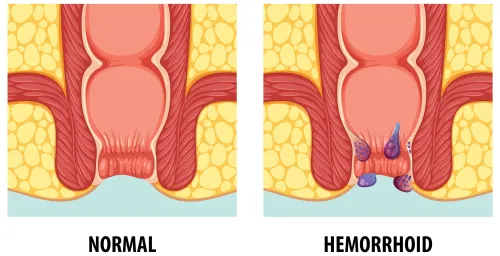
For “piles or perianal abscess how to choose treatment in Bangalore,” the first decision is urgency, not a procedure name. Piles are swollen vascular cushions that can cause bright-red bleeding, itching, prolapse or a lump.
An abscess is a pus-filled infection. It more often produces constant, throbbing pain with warmth, redness, progressively increasing swelling, pus or fever.
- Piles pattern: bleeding on toilet paper or the stool surface, itching, a lump that prolapses during bowel movements, or discomfort without steadily worsening pain.
- Abscess pattern: a tender lump with constant pain, warmth, redness, enlarging swelling, pus, fever or chills. Sitting and passing stool can become increasingly difficult.
A thrombosed external haemorrhoid can look like an abscess because it causes a sudden, very painful bluish lump. Rectal bleeding also comes from fissures, polyps, inflammatory bowel disease or colorectal cancer, so symptom-based self-diagnosis is unsafe. Piles versus perianal abscess diagnosis requires examination.
Seek same-day medical assessment for fever or chills, rapidly increasing pain or swelling, spreading redness, difficulty passing urine, faintness or feeling systemically unwell. Do not delay if you have diabetes or immune suppression. A suspected abscess often needs prompt drainage rather than an elective piles consultation.
How a clinician confirms the diagnosis
A clinician begins piles versus perianal abscess diagnosis with your history. They ask when symptoms began, whether bleeding is bright red and linked to bowel movements, your bowel habits, pain, discharge, fever, diabetes, medicines and previous episodes.
| Condition | Findings that support it | What the clinician must exclude |
|---|---|---|
| Piles | Bright-red bleeding, itching, prolapse or a lump; pain is usually limited unless thrombosed | Fissure, polyp, inflammatory bowel disease or cancer |
| Perianal abscess | Constant or throbbing pain, tender swelling, warmth, redness, pus or fever | Deep abscess, fistula or thrombosed external haemorrhoid |
The clinician inspects the skin around the anus for swelling, redness, a visible opening, discharge or a bluish thrombosed lump. They perform a digital rectal examination when the pain allows it; severe tenderness can make this unsafe or intolerable. Anoscopy looks inside the anal canal when internal haemorrhoids are suspected.
A visible, superficial abscess usually needs no scan. Endoanal ultrasound, MRI pelvis or CT may be considered for a deep, atypical or recurrent abscess, suspected fistula, or diagnostic uncertainty.
Persistent bleeding needs evaluation beyond an anorectal examination if you have anaemia, weight loss, altered bowel habit, abdominal symptoms or a relevant family history. Piles do not explain every episode of rectal bleeding.
If it is an abscess, urgency changes the treatment choice
Prompt drainage is the central treatment for a perianal abscess; antibiotics alone do not replace drainage. Delaying drainage can allow infection to spread, worsen pain and damage surrounding tissue.
Anaesthesia and location depend on the abscess’s size, depth, position and your condition. A small, superficial abscess may suit local anaesthesia and day-care drainage. A deep, large or horseshoe abscess may require regional or general anaesthesia, an operating theatre and examination under anaesthesia, with staged treatment when necessary.
Antibiotics are added when infection extends into surrounding skin, causing cellulitis; when you have fever or other systemic illness; or when significant immune compromise raises the risk of spread. Do not self-select an antibiotic: the treating clinician must choose it and decide whether drainage is also required.
Avoid an elective piles-only pathway if you have:
- A large, deep or horseshoe infection
- Fever, chills, weakness or other systemic illness
- Recurrent abscesses or previous drainage
- Uncertainty about whether the problem is an abscess, fistula or another condition
After drainage, arrange follow-up for recurrent swelling, persistent pus or drainage, and an opening that does not heal. These findings can reveal a fistula requiring further assessment. Ask a perianal abscess specialist in Bangalore whether the facility can provide urgent drainage and fistula follow-up.
For “piles or perianal abscess how to choose treatment in Bangalore,” urgency comes before selecting any elective piles procedure.
Match piles treatment to grade, prolapse and external disease
Start with fibre, adequate fluids, stool-softening measures, no straining and less time on the toilet when symptoms are mild and prolapse is absent or easily reducible. The right piles treatment choices in Bangalore depend on whether disease is internal, external, combined, and graded I to IV.
| Option | Best fit | Main trade-off |
|---|---|---|
| Conservative care | Mild bleeding, itching or grade I symptoms | Needs consistent bowel-habit changes |
| Rubber-band ligation | Suitable grade I–II internal piles, sometimes selected grade III | Not for external piles; recurrence or residual prolapse may need repeat treatment |
| Injection treatment or infrared coagulation | Selected bleeding internal piles | Usually less suitable for substantial prolapse |
| Excisional haemorrhoidectomy | Large external disease, combined internal-external disease, and many grade III–IV cases | More early pain and wound care, but directly removes the problem |
| Stapled haemorrhoidopexy or haemorrhoidal artery-targeted treatment | Selected internal prolapse without a major external component | Often less early pain than excision, but external prolapse remains and recurrence or retreatment is more likely |
Banding must not be placed on external haemorrhoids or sensitive anoderm. Incorrect placement can cause severe pain, bleeding or difficulty passing urine.
Do not choose a vague “laser piles” label. Ask for the named procedure, the grade and prolapse it treats, whether external disease is included, expected early pain, recurrence risk and the chance of retreatment.
Choose a Bangalore provider by capability, not by procedure name
Choose a provider that can manage the diagnosis, not just advertise a procedure. For a perianal abscess specialist in Bangalore, verify access to a colorectal surgeon or general surgeon with documented anorectal experience, urgent examination, anaesthesia, drainage and fistula follow-up.
| Setting | What to verify | Main limitation |
|---|---|---|
| Clinic | Same-day assessment and referral pathway | Elective piles care may not handle deep infection |
| Day-care centre | Named procedure, anaesthesia and drainage capability | Unsuitable for large, deep or complex abscesses |
| Hospital | Operating theatre, examination under anaesthesia and complication management | More extensive care may mean greater time and cost |
Ask these questions before agreeing to treatment:
- What is the working diagnosis: piles, thrombosed haemorrhoid, fissure, abscess or fistula?
- Is the problem internal, external, deep or recurrent?
- What named procedure is proposed, under local, regional or general anaesthesia?
- What happens if an abscess or fistula is found?
- What excludes a non-operative or day-care plan?
- Who provides wound-care instructions, analgesia, review for persistent drainage and an emergency contact?
For piles treatment choices in Bangalore, compare the confirmed diagnosis and setting rather than choosing “laser” or another label.
Bharath Piles And Fistula Clinic may be considered for anorectal symptom assessment, but fever, spreading redness, severe or escalating pain, urinary difficulty, major bleeding or systemic illness requires same-day evaluation where clinicians can drain an abscess and manage complications. That is the practical answer to piles or perianal abscess—how do you choose treatment in Bangalore?
Frequently asked questions
How can you tell piles from a perianal abscess?
Piles commonly cause bright-red bleeding, itching, prolapse or a lump. An abscess more often causes constant, worsening pain, tender swelling, warmth, pus or fever.
How does a clinician confirm whether it is piles or an abscess?
The clinician reviews your symptom pattern and examines the skin, anus and rectum. They assess tenderness, swelling, prolapse, bleeding and discharge, then order further evaluation when a deeper abscess is suspected.
Why does a perianal abscess change treatment urgency?
An abscess is an infected collection of pus. Severe pain, increasing swelling, fever or pus requires prompt assessment because treatment often involves drainage rather than piles medication.
How are piles treatment choices matched to the condition?
Treatment depends on haemorrhoid grade, prolapse, bleeding, external disease and previous treatment. Options range from bowel-habit changes and medicines to procedures or surgery.
What should you check when choosing a perianal abscess specialist in Bangalore?
Check whether the provider can examine you promptly, distinguish piles from abscesses, perform or arrange drainage when needed, manage anaesthesia and provide follow-up care.
Keywords